.png)
.png)

TMJ
Whole-Body Massage
Therapy

Non-invasive,
therapeutic support
for jaw function,
facial comfort, and wellbeing
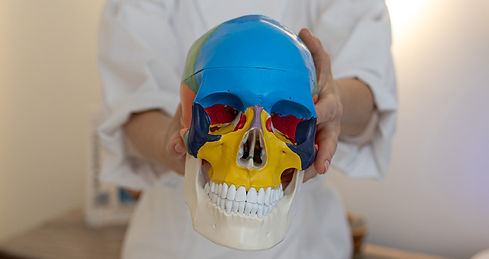
TMJ Whole Body Massage Therapy
— Clinical Treatment Description
The TMJ Whole Body Massage Therapy is a non-invasive, manual treatment designed to support individuals experiencing symptoms related to temporomandibular joint dysfunction.
Each session integrates a combination of:
-
TMJ-specific myofascial release techniques
-
Remedial massage
-
Trigger point therapy
-
Cranial sacral–informed techniques
This approach addresses not only the jaw, but also the interconnected structures of the head, neck, shoulders, spine, and fascial system, recognizing the role of posture, muscular imbalance, and nervous system tone in TMJ-related symptoms.
The treatment aims to help relieve:
-
Jaw pain and tension
-
Headaches and migraines
-
Facial pain and pressure
-
Sinus-related discomfort
-
Tinnitus with a suspected somatic or muscular component
-
Neck and upper-body tension commonly associated with TMJ dysfunction
This gentle yet clinically structured approach is frequently sought by clients who have been referred by dentists, chiropractors, physiotherapists, general practitioners, and hearing specialists, or by those seeking a complementary, conservative option alongside their existing care.
Sessions are deeply relaxing yet intentional, supporting parasympathetic nervous system activation while working to restore tissue mobility, reduce protective muscle guarding, and improve functional balance.
While aesthetic changes are not the primary goal of TMJ therapy, many clients also notice secondary benefits such as softening of facial tension, improved jawline balance, and a more rested facial appearance, reflecting the close relationship between function, expression, and wellbeing.
Registered massage therapy insurance receipts are available.
Nadine Harvey
— TMJ Massage Therapist
Nadine Harvey is a registered massage therapist and facial wellness specialist with advanced certification in TMJ Massage Therapies® – Whole Body Approach, a bespoke, non-invasive protocol designed to support clients experiencing temporomandibular joint dysfunction and its associated symptoms.
Focused on the face, jaw, neck, and cervical region, Nadine’s path into TMJ work emerged naturally through years of hands-on aesthetic practice. While performing advanced facial and buccal sculpting techniques, she observed a recurring outcome: clients not only experienced visible softening of facial tension and improved symmetry, but also meaningful relief from jaw discomfort, headaches, and facial pain.
This led Nadine to deepen her training in myofascial release, trigger point therapy, cranial sacral principles, postural relationships, and nervous system regulation, allowing her to approach TMJ dysfunction through a whole-body, anatomy-informed lens.
Nadine’s work is grounded in safety, precision, and collaboration. She practices within a clear, non-diagnostic scope and is committed to supporting referring medical and allied health professionals by providing calm, professional, and patient-centred care.
Her philosophy reflects Sculptage’s core values:
Beauty from within, experienced as wellbeing—where reduced tension, improved function, and facial harmony are interconnected outcomes of a regulated nervous system and balanced musculature.
Understanding TMJ
For Referring Practitioners
Is This Right for Me?
If you’re experiencing ongoing jaw tension, facial discomfort, or pain that seems to radiate into your head, neck, or shoulders, TMJ Whole Body Massage Therapy may be a supportive option for you.
This approach is designed for individuals who:
-
Experience jaw pain, clenching, or grinding
-
Notice headaches, facial tension, or neck discomfort
-
Feel restricted or “tired” through the jaw or face
-
Are seeking a gentle, non-invasive approach
-
Want support alongside dental or medical care
You do not need a diagnosis or referral to book a session. Many clients arrive after trying other treatments, while others come early to support comfort and function before symptoms become more persistent.
TMJ therapy at Sculptage is calm, intentional, and client-led. Sessions are adapted to your comfort level and focus on helping your body release protective tension patterns at its own pace.
If you’re unsure whether this approach is appropriate for you, you’re always welcome to reach out with questions or book an initial session to explore whether this feels like the right fit.
Mandatory
Consultation
Important Contraindications:
If you plan to book your consultation and treatment on the same day, please ensure that:
-
You have not had Botox in the past week or fillers in the past two weeks.
-
You have not had recent dental work in the past few days, or until cleared by your dentist.
-
You are not in the first or third trimester of pregnancy if considering buccal massage.
-
You do not have severe acne, rosacea flare-ups, oral or tooth infections if you are considering face massage.
-
You are not experiencing acute jaw lock, recent facial or jaw trauma, or sudden changes in bite or facial sensation.
-
You are not currently feeling unwell, have a cold sore, or are getting sick.
If any of these apply, we recommend scheduling your consultation separately and booking your treatment once you’re in the clear. This ensures your body is fully ready to receive the treatment in a relaxed, rest-and-digest state for the best possible results.
A detailed health intake and consent form will be sent upon booking.
Please review it carefully to confirm that you are ready for treatment.
Scope Disclaimer
TMJ Whole Body Massage Therapy is a complementary, non-invasive manual therapy intended to support individuals experiencing temporomandibular joint–related tension and discomfort. It does not diagnose or treat medical or dental conditions and is not a substitute for medical, dental, or allied healthcare. Clients are encouraged to continue care with their primary healthcare providers as appropriate.